Turning Point
Founded in 1993 as a not-for-profit industry association, TSANet has consistently sought ways to improve its operations and foster collaboration among its members. TSANet had no shortage of initiatives, meetings, or well-intentioned plans. What we lacked was a disciplined way to align strategy, accountability, and leadership behavior into a single, repeatable operating rhythm. To address this, Paul Esch, President at TSANet, turned to Gord Boyce to implement the Entrepreneurial Operating System (EOS).
What Is the EOS Process?
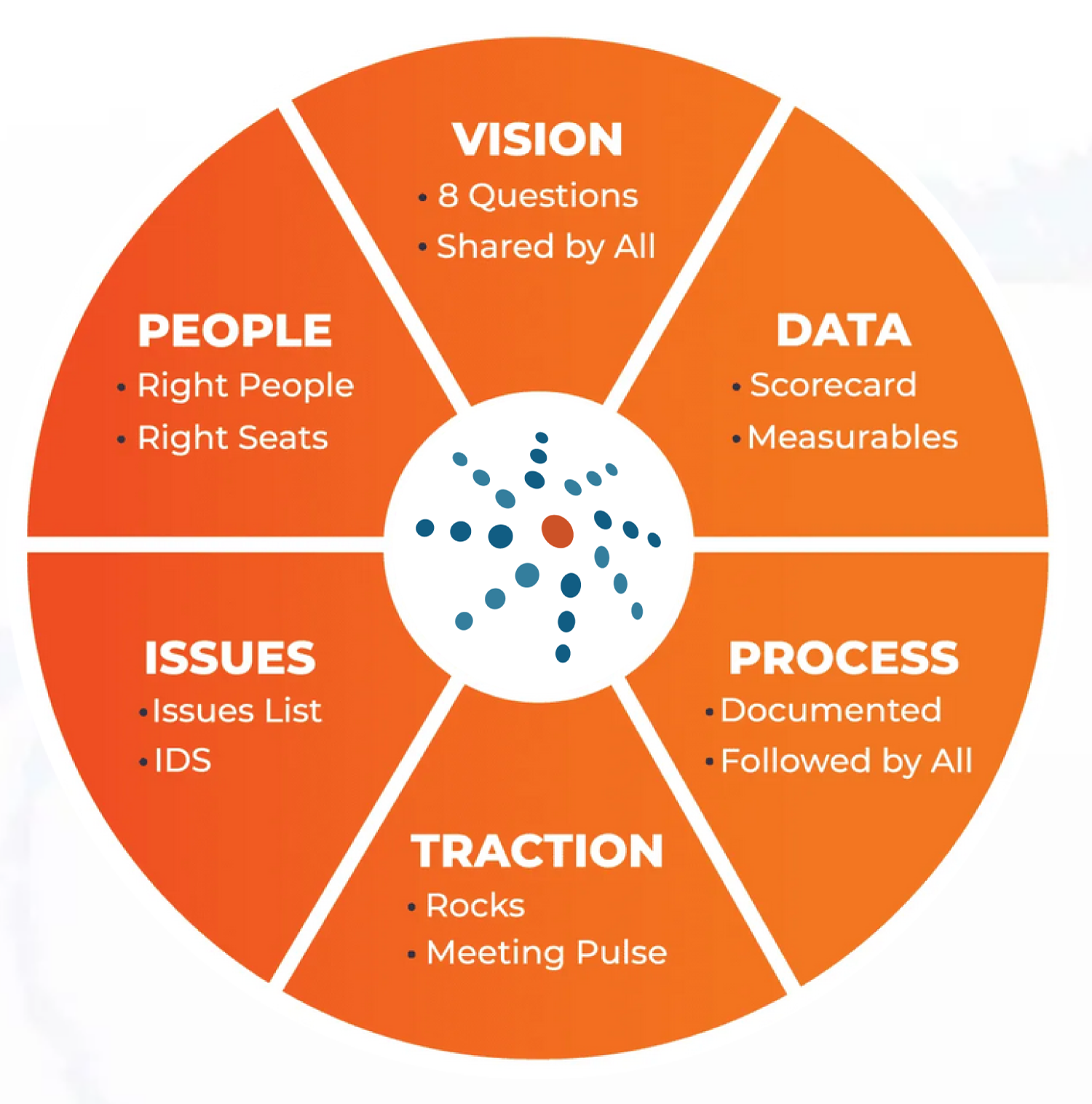
While EOS includes a complete set of tools and disciplines, it comes down to three key elements: Vision, Traction, and Health. With EOS, the business becomes easier to run and easier to grow.
- Vision – Ensures alignment so every team moves in the same direction.
- Traction – Brings discipline and accountability so strategic priorities get done.
- Healthy – Builds trust and cohesion so leaders work together effectively.
People First
TSANet is a member-driven organization governed by a Board of Directors. The TSANet Board actively influences the organization’s long-term strategy to ensure it remains aligned with industry needs. One of the first steps in the EOS process is “Right People, Right Seats”. This resulted in expanding the TSANet Board to include executives from Support, Success, and Partner Alliance functions.
Vision – Strategy
The team worked to define who we are, why we exist, what we do, and where we are going. This foundation set the stage for a new 3-year strategy and yearly plan. This Strategy and yearly planning activity are part of ongoing annual planning. Below are blogs that communicate these planning days to TSANet Membership.
Traction
A 90-day cycle is put in place to get traction on the strategy. Key goals (rocks) are defined and tracked through this process. Monthly meetings keep the Board informed, and Quarterly updates are communicated to Members through a Webinar. This cadence has increased transparency and alignment across the organization.
Healthy
Patrick Lencioni’s book The Five Dysfunctions of a Team discusses how to build healthy, intelligent, and high-performing teams. At the core is trust, which allows the team to accelerate performance and decision-making. At the start of our EOS journey, creating an accountability chart and defining core values allowed the team to deliver stronger results.
Importance of an Implementer
EOS implementer Gord Boyce was critical in helping the team fully implement EOS. Gord provided the outside perspective needed to challenge assumptions, spot blind spots, and help us navigate internal conflict productively. His outside perspective ensured we stayed honest and aligned.